Finding a Workers’ Compensation Market for Sawmills and Wood Products Manufacturers
Author: Sarah Stansell, Business Development Manager
When an independent insurance agent receives a workers’ compensation opportunity for a sawmill or wood-products manufacturer, finding the right market can be one of the biggest challenges. These businesses operate in specialized environments, and a general description may not fully explain the work employees perform or the conditions in which they work.
For agents, the key is to identify carriers whose underwriting appetite aligns with the actual operation. That means looking beyond the business name, understanding how the company functions and presenting the account clearly.
Why Sawmills and Wood Products Businesses Require Careful Evaluation
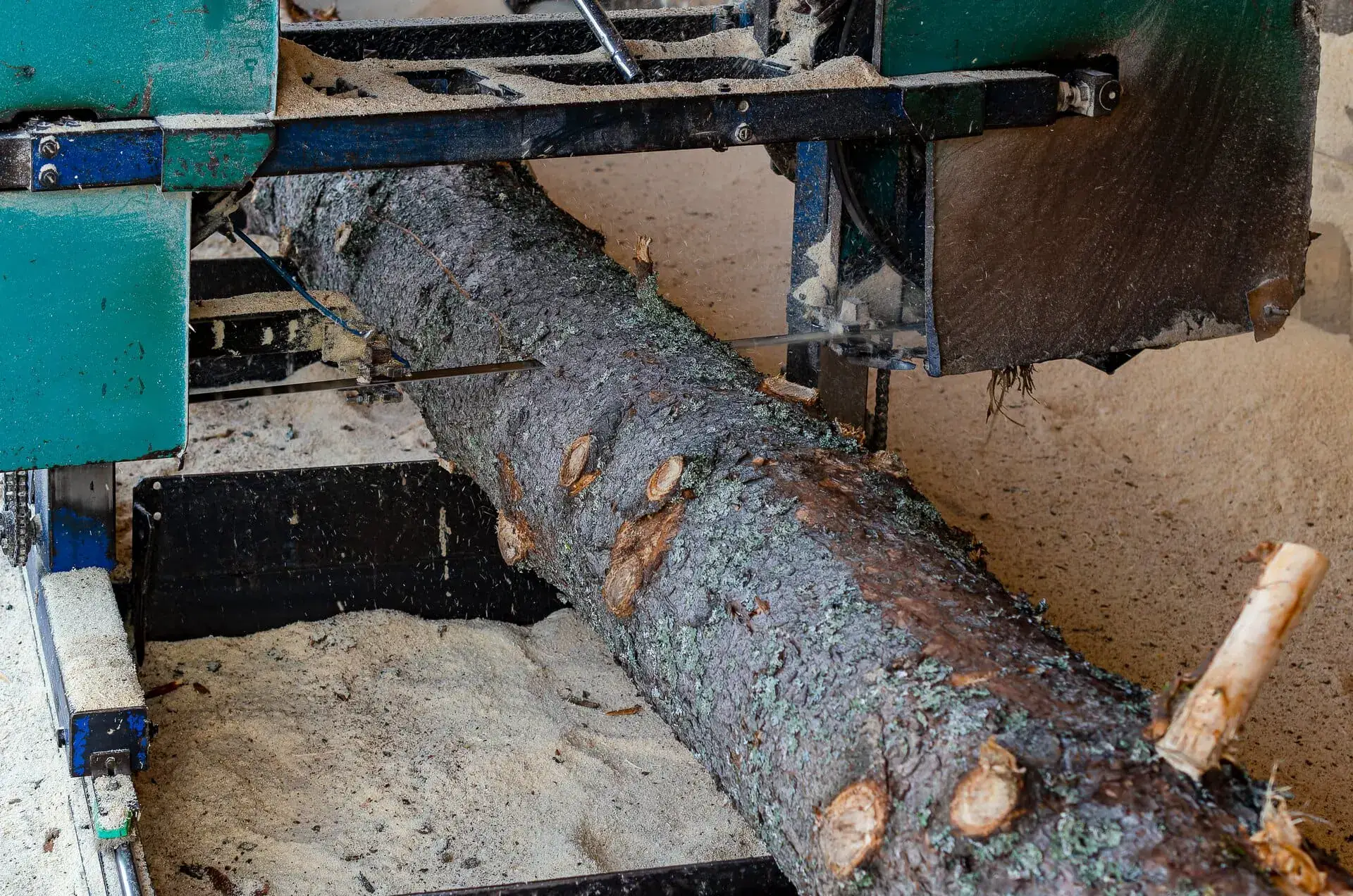
Sawmills and wood-products businesses encompass a range of operations. One company may process logs into lumber, while another manufactures pallets, produces other wood products or performs several related activities.
The equipment, workflow, workforce and working environment can vary considerably from one business to another. Those differences are important when evaluating workers’ compensation coverage.
For example, a sawmill’s operations are not necessarily comparable to those of a pallet manufacturer simply because both businesses work with wood. Underwriting needs an accurate description of the activities performed and the workforce involved.
Independent agents can help by learning the details of the account before approaching a carrier. A clear understanding of the operation makes it easier to identify potentially appropriate markets and provide the information needed for underwriting.
What Should Agents Look for in a Sawmill Workers’ Compensation Carrier?
Not every carrier considers every type of business. When evaluating a market for a sawmill or wood-products manufacturer, agents should start by reviewing the carrier’s underwriting appetite.
Does the carrier focus on specialized industries? Does it consider the type of operation being submitted? Are there eligibility requirements that could affect the account?
These questions are worth addressing before preparing a full submission. A carrier’s broader industry focus may make it worth exploring, but the specific business must still meet the carrier’s guidelines.
FMIC Insurance Company specializes in workers’ compensation for the forestry industry. Independent agents working with sawmills and related wood-products businesses can review FMIC’s underwriting appetite to determine whether a particular account may be a fit.
Give Underwriting a Clear Picture of the Operation
Once a potentially appropriate market has been identified, the next step is to prepare a clear and accurate submission.
Start by explaining what the business does. Identify its primary operations, describe the work employees perform and clarify whether the company has multiple activities that may affect how the account should be evaluated.
Provide the workforce, payroll, loss history and other information requested by the carrier. If the business has characteristics that may not be obvious from the application, explain them rather than leaving underwriting to make assumptions.
This is especially useful when a company combines several activities under one business name. The more accurately the submission reflects the operation, the clearer the picture underwriting receives.
Agents should also review the information before sending it. Missing documentation or vague descriptions can lead to follow-up questions and slow the evaluation process.
Consider Loss Control and Workplace Safety Resources
The carrier relationship involves more than obtaining a workers’ compensation policy. Agents should also consider the resources available to help policyholders address workplace safety and manage risk.
Sawmills and wood-products manufacturers may operate machinery, handle heavy materials and maintain production environments with distinct safety considerations. The appropriate risk-management approach depends on the work being performed and the conditions within the facility.
When evaluating a carrier, ask what loss control services are available and how those resources may support the insured. Agents should confirm the services offered rather than assuming that all carriers provide the same level or type of assistance.
It is also worth considering claims support as part of the overall relationship. Understanding the resources available after a workplace injury can help agents have a more complete conversation with their clients about their workers’ compensation program.
Look Beyond Price When Comparing Markets
Premium is an important factor in workers’ compensation placement, but it should not be the only consideration.
A carrier’s industry focus, underwriting communication, loss control resources and claims support can all contribute to the overall value of the relationship. Agents should consider these factors alongside coverage terms, pricing and the carrier’s eligibility requirements.
For specialized accounts, choosing a market that understands the business can help create a more productive underwriting conversation. It also gives agents a clearer basis for evaluating whether a carrier aligns with the client’s needs.
The goal is not simply to find a carrier that will consider the application. It is to find an appropriate market for the actual operation and establish a relationship that can support the account over time.
Build Relationships Across the Forestry and Wood Products Industries
Agencies that regularly handle forestry-related accounts may benefit from developing market relationships across several related business types. Logging contractors, timber harvesters, sawmills and wood-products manufacturers may share connections to the forestry industry, but each account still needs to be evaluated according to its specific operations.
Understanding those distinctions helps agents ask better questions, prepare stronger submissions and identify appropriate markets as new opportunities arise.
FMIC Insurance Company provides independent agents with a workers’ compensation market focused on the forestry industry. If you are working with a sawmill, pallet operation or wood-products manufacturer, start by reviewing FMIC’s underwriting appetite and determining whether the account may fit its guidelines.
A strong placement strategy begins with understanding the business, matching the opportunity to an appropriate market and giving underwriting the information it needs to evaluate the risk.