How Loss Control Can Strengthen Workers’ Compensation Programs in High-Hazard Industries
Author: Sarah Stansell, Business Development Manager
In high-hazard industries, workplace safety deserves attention long before an employee gets injured. For businesses involved in forestry, logging, sawmills, and wood products manufacturing, understanding workplace exposures is an important part of managing day-to-day operations.
Independent insurance agents can help clients look beyond the cost of a workers’ compensation policy by considering the role of loss control, safety practices and ongoing risk management. These factors are also worth evaluating when selecting a workers’ compensation carrier.
What Is Workers’ Compensation Loss Control?
Loss control focuses on identifying potential workplace hazards and finding practical ways to address them. The objective is to help businesses better understand their exposures, strengthen safety practices and reduce preventable losses.
The appropriate approach depends on the operation. A logging contractor working in wooded terrain faces different safety considerations from a sawmill processing timber or a manufacturer producing wood products. Equipment, employee responsibilities, work environments and operating procedures all influence the risks a business must manage.
That is why industry knowledge matters. Effective risk management starts with understanding how a business actually operates, rather than assuming that every company within a broad industry category faces the same challenges.
For insurance agents, understanding a client’s operations is also an important part of helping the business evaluate its workers’ compensation needs.
Why Loss Control Matters in Forestry and Logging
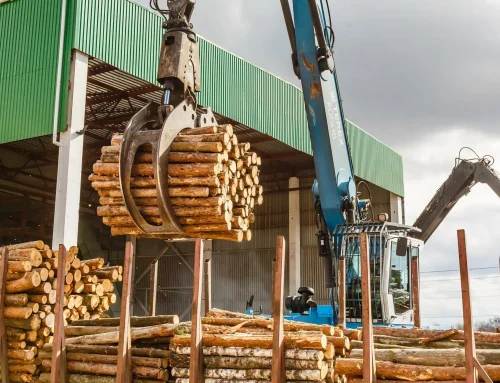
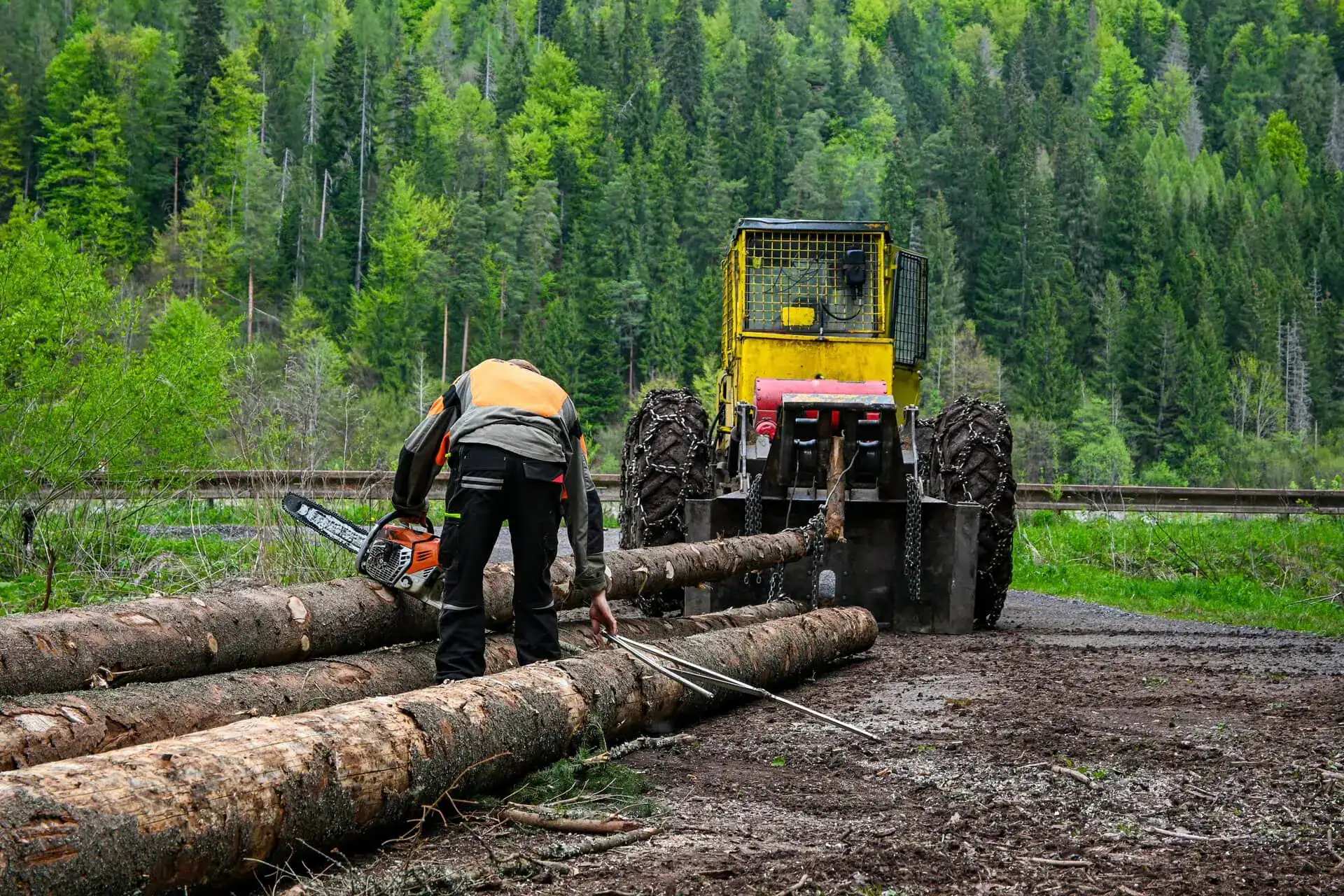
Forestry and logging operations can involve heavy machinery, moving vehicles, chainsaws, uneven ground and changing outdoor conditions. Employees may work across multiple locations, and the hazards associated with one job site may differ from those at another.
These conditions make consistent attention to safety especially important. Employers need to consider the work being performed, the equipment being used and the procedures employees follow while carrying out their responsibilities.
Loss control can help bring these considerations into the broader workers’ compensation conversation. Rather than focusing exclusively on what happens after an injury, employers and agents can discuss ways to identify exposures and support safer working practices.
The same principle applies to other wood-related businesses. Sawmills, pallet operations and wood-products manufacturers have their own operational considerations that should be understood in the context of the business.
What Should Agents Ask a Workers’ Compensation Carrier?
When evaluating a carrier for a specialized account, agents should consider more than premium and policy terms. The carrier relationship may also include resources that help the employer address workplace safety and manage risk.
Useful questions include:
- Does the carrier have experience with the client’s industry?
- What loss control or workplace safety resources are available?
- How does the carrier approach claims support?
- Can the carrier evaluate the actual operation rather than relying on a general description?
- Does the carrier’s underwriting appetite align with the account?
These questions help agents evaluate the broader value of a carrier relationship. They also provide a starting point for conversations with clients who want to understand what they are getting beyond the policy itself.
Agents should confirm the specific services and resources available from each carrier rather than assuming every workers’ compensation program offers the same support.
How Agents Can Help Clients Prepare for a Safety Conversation
A productive loss-control conversation begins with a clear understanding of the business. Agents should learn about the client’s operations, the work employees perform and the safety practices already in place.
When submitting an account, communicate relevant safety procedures, training practices and risk-management efforts when requested by the carrier. If the business has made meaningful improvements to its workplace safety program, provide accurate details that help underwriting understand those efforts.
This information can help establish a more complete picture of the account. It also creates an opportunity for agents to discuss safety as an ongoing business priority rather than a topic that comes up only at renewal.
Agents should avoid promising that any particular safety measure will eliminate injuries or guarantee lower premiums. Loss control is part of a broader risk-management effort, and results depend on the business, its operations and how consistently safety practices are implemented.
Choosing a Carrier for the Long Term
Price will always matter when a business evaluates workers’ compensation coverage. However, price alone does not explain the full value of a carrier relationship.
Industry familiarity, underwriting communication, loss control resources and claims support are all worth considering. For specialized businesses, these factors can help agents identify a carrier whose approach aligns with the client’s operations and needs.
FMIC Insurance Company specializes in workers’ compensation for the forestry industry. Independent agents working with qualifying forestry, logging and related accounts can explore FMIC’s underwriting appetite to determine whether an opportunity may be appropriate.
The strongest workers’ compensation conversations look beyond the policy’s effective date. By understanding the operation, discussing workplace safety and evaluating the resources available through the carrier, agents can help clients make more informed decisions about their coverage and risk-management priorities.