Why Logging Companies Need a Workers’ Compensation Carrier That Understands Their Industry
Author: Sarah Stansell, Business Development Manager
Logging is a demanding business. From timber harvesting and heavy equipment operation to hauling logs and managing crews in challenging terrain, the work presents risks that differ significantly from those found in many other industries. For independent insurance agents, placing workers’ compensation coverage for a logging company requires more than finding a policy with a competitive price. It means identifying a carrier that understands the business behind the application.
For agents working with logging and forestry accounts, industry knowledge can make a meaningful difference in the underwriting conversation and the long-term carrier relationship.
Why Logging Requires a Specialized Approach
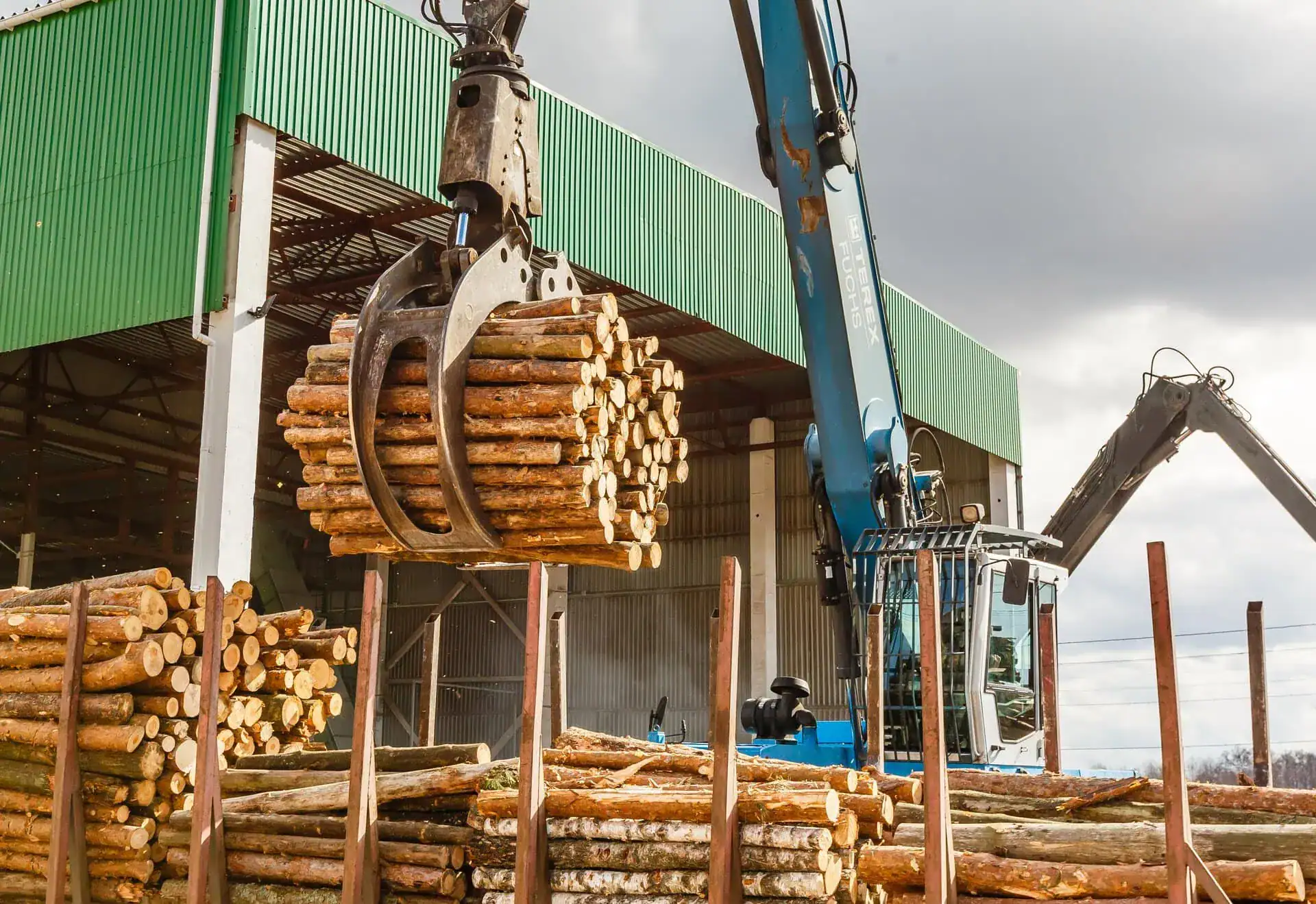
Logging operations are rarely as straightforward as a business classification might suggest. One company may focus primarily on timber harvesting, while another handles hauling, equipment operation or multiple stages of the forestry process. Each operation has its own workforce, working conditions and potential exposures.
These differences matter when evaluating a workers’ compensation account. A brief business description may not fully explain the work employees perform or the conditions they encounter every day.
Independent agents can help by identifying carriers familiar with logging and forestry operations. A carrier with experience in these industries is better positioned to understand the questions that need to be addressed during underwriting and the details that help explain a particular account.
FMIC Insurance Company specializes in workers’ compensation for the forestry industry, giving independent agents a market to consider when working with qualifying logging and timber-related businesses.
What Should Agents Look for in a Logging Workers’ Compensation Carrier?
Finding a market is only the first step. Agents should also consider how well a carrier’s focus aligns with the types of accounts they handle.
Start with underwriting appetite. Does the carrier actively consider logging and forestry businesses? Are the account’s operations consistent with the carrier’s areas of focus? Understanding these factors before submitting an application can help agents direct opportunities to appropriate markets.
The underwriting relationship matters, too. Specialized accounts often require a clear explanation of the business, its operations and its workforce. Agents benefit from working with a carrier that understands the importance of evaluating the actual operation rather than relying on a business name or classification alone.
Finally, look beyond the initial policy placement. Loss control resources, workplace safety and claims support are important considerations when evaluating a long-term workers’ compensation relationship.
Why the Details in a Submission Matter
A strong submission gives the underwriter a clearer picture of the business from the beginning. For logging accounts, that means providing an accurate description of the company’s operations and the information requested by the carrier.
If the company performs several types of work, explain those activities clearly. Include the requested workforce and payroll information, along with relevant loss history and any additional context that helps clarify the account.
Agents should also communicate relevant safety practices and loss-control efforts when requested. These details help provide a more complete picture of the business and give underwriting the information needed to evaluate the opportunity.
Incomplete or vague submissions can create unnecessary follow-up and leave important questions unanswered. Taking the time to explain the operation up front can make the process more productive for everyone involved.
Look Beyond the Policy to Loss Control and Claims Support
Workers’ compensation is not just about securing coverage. Workplace safety, risk management and claims handling are also important parts of the relationship between a carrier and a policyholder.
Logging businesses operate in environments where equipment, terrain and the nature of the work create significant safety considerations. Practical attention to workplace safety can help employers identify potential hazards and strengthen their risk-management efforts.
Agents should understand what resources a carrier offers beyond policy issuance. Loss control services and claims support can be valuable considerations when discussing a carrier’s overall approach with a client.
The goal is to build a relationship that supports the business throughout the policy period, not simply to complete a transaction.
Build a Stronger Market Strategy for Logging Accounts
For agencies that regularly work with forestry-related businesses, developing relationships with specialized workers’ compensation markets can make it easier to evaluate future opportunities.
A logging account that does not fit one market may warrant consideration elsewhere, depending on the operation and the carrier’s appetite. The key is knowing which markets to approach and providing the information needed to evaluate the risk.
FMIC Insurance Company works with independent agents on workers’ compensation opportunities in the forestry industry. Agents with logging, timber harvesting or related accounts can begin by reviewing the company’s underwriting appetite and determining whether a particular business may be a fit.
When the next logging account lands on your desk, start with a clear understanding of the operation and a carrier relationship that recognizes the realities of the industry. The right market conversation begins with understanding the business you’re trying to place.